What is tokenization
Tokenization is the process of converting an asset into a digital token on a blockchain.
In simple terms, tokenization allows real-world or digital assets to be represented as tokens that can be transferred, traded, and used in blockchain systems.
Tokenization is a core concept in blockchain and plays a key role in real-world asset (RWA) tokenization.
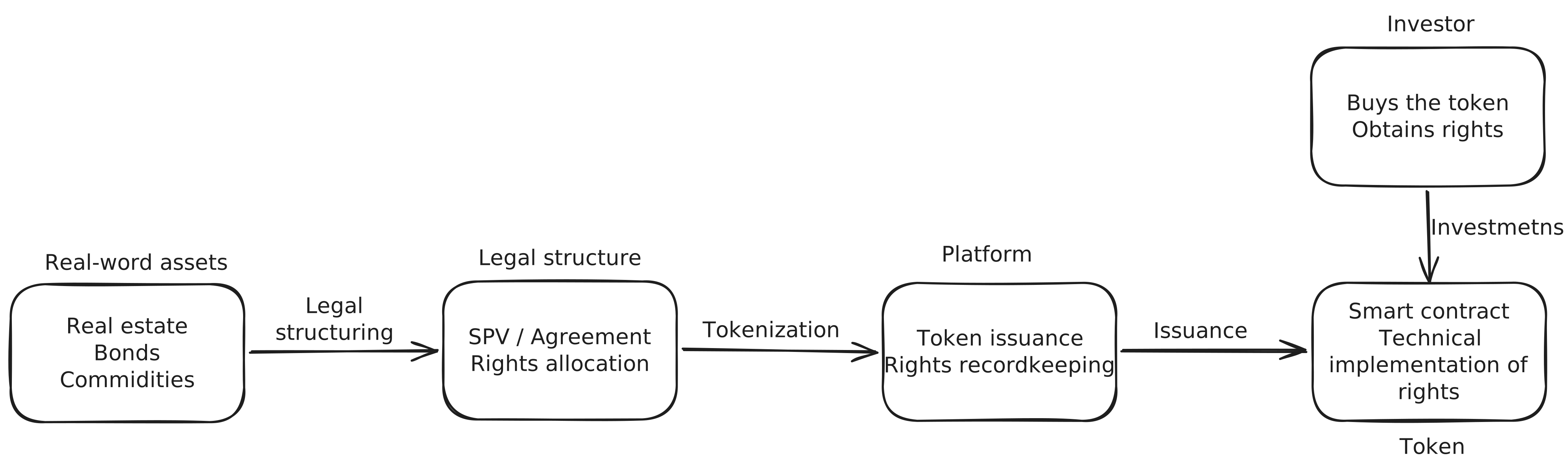
Simplified tokenization process: from a real-world asset to a digital token representing investor rights
How tokenization works
Tokenization is implemented using smart contracts, which define how tokens are created and used.
The process typically includes:
- identifying the underlying asset (e.g. real estate or stocks)
- creating a token that represents the asset
- recording the token on the blockchain
Once created, the token can be transferred, traded, or integrated into applications.
Tokenization example
For example, a real estate property can be divided into multiple tokens.
Each token represents a share of ownership, allowing investors to buy fractions of the asset instead of the whole property.
What assets can be tokenized
Almost any asset can be tokenized, including:
- real estate
- stocks
- bonds
- commodities
- digital assets
Where tokenization is used
Tokenization is used in:
- DeFi
- investment platforms
- financial markets
- real-world asset (RWA) projects
In financial markets, security tokens may represent tokenized securities. Utility tokens use the same underlying technology to encode access to products or services, but tokenization alone does not create investment rights.
Advantages of tokenization
- easier asset trading
- fractional ownership
- increased accessibility
- blockchain-based transparency
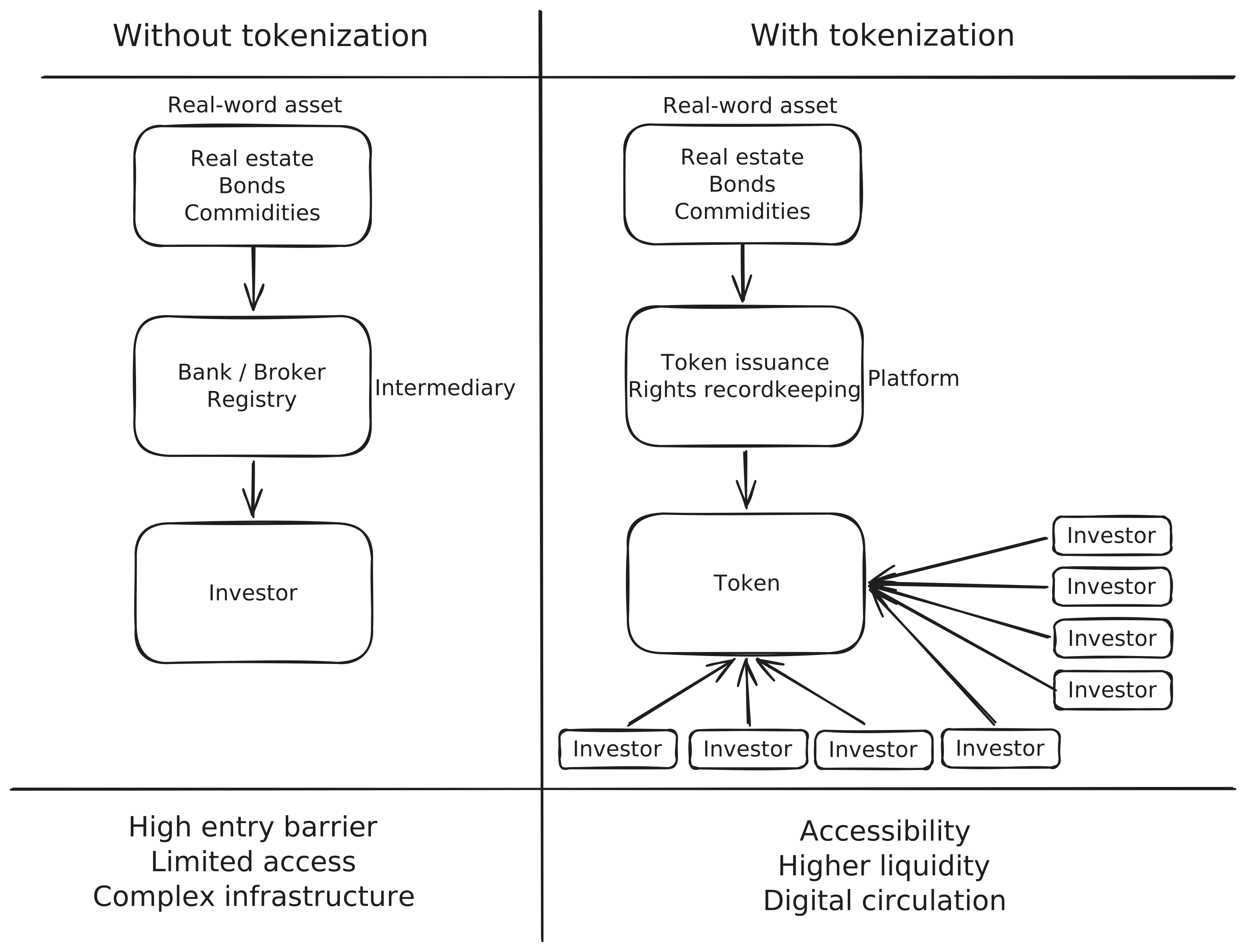
Comparison of traditional asset ownership and tokenization: from an intermediary-based model to tokens with broader investor access.
Related concepts
FAQ
What is tokenization in simple terms?
Tokenization is the process of turning an asset into a digital token on a blockchain.
What assets can be tokenized?
Almost any asset, including real estate, financial instruments, and commodities.
How does tokenization work?
An asset is represented as a token using a smart contract and recorded on a blockchain.
Why is tokenization important?
It makes assets more accessible, liquid, and easier to trade.